Safety in Phase 4 Cardiac Rehab: What Patients Need to Know
One of the most common questions we hear from patients, and from the families of patients, is simply: Is it safe to exercise after a heart attack, bypass surgery, or other cardiac event? The short answer is yes. In fact, not exercising carries its own risks. But we understand why the question feels so pressing, and it deserves a thorough answer.
Phase 4 cardiac rehabilitation is specifically designed to make exercise as safe as possible for people with heart conditions. Here’s how.
Why Exercise Is Important, and Why Safety Matters
A substantial body of clinical evidence shows that regular, appropriately dosed exercise after a cardiac event reduces the risk of future events, improves heart function, lowers blood pressure, supports mental health, and significantly improves quality of life. Cardiac rehabilitation has been shown to reduce cardiac mortality by up to 26%.
However, unsupervised or inappropriately intense exercise does carry risks for people with heart conditions. That is precisely why Phase 4 exists: to provide the clinical structure and oversight that keeps exercise beneficial rather than harmful.
Who Provides Phase 4 Cardiac Rehab, and What Are Their Qualifications?
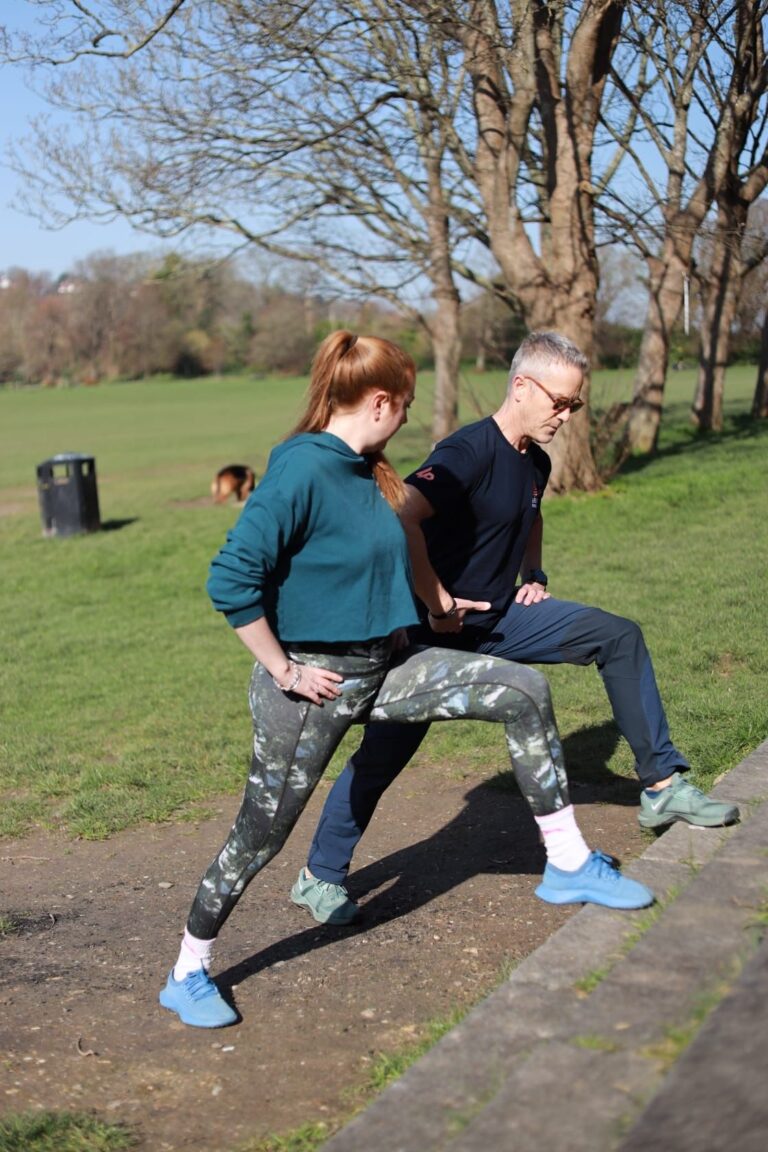
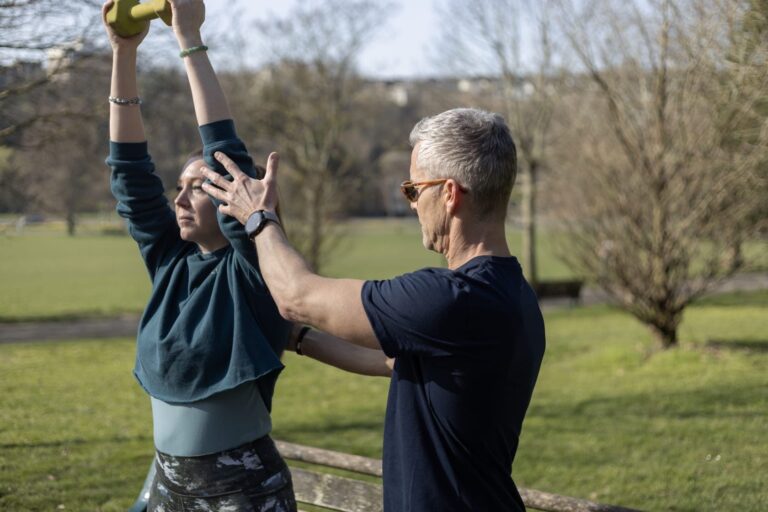
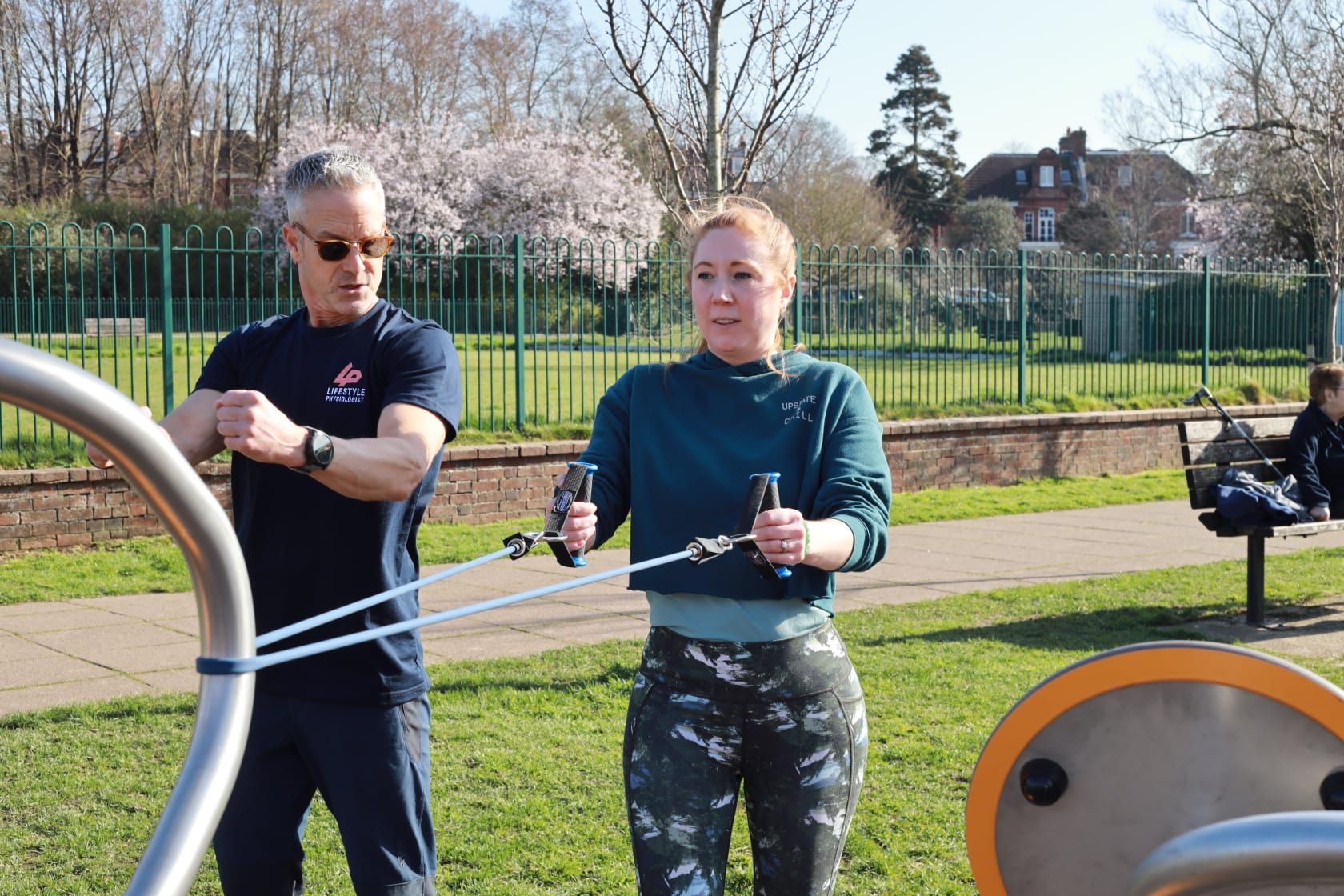
Phase 4 sessions are led by professionals trained specifically in clinical exercise for cardiac populations. This typically means:
- Clinical Exercise Physiologists with specialist cardiac training
- BACPR (British Association for Cardiovascular Prevention and Rehabilitation) Level 4 qualified exercise professionals
- Professionals with ongoing CPD (Continuing Professional Development) in cardiac rehabilitation and emergency procedures
At a reputable Phase 4 provider, every staff member leading sessions will hold the relevant qualifications and will be trained in emergency first aid, including defibrillator use. The clinical standards set by BACPR provide a recognised framework for safe practice.
What Safety Measures Are in Place During Sessions?
Pre-Session Screening
Before you ever set foot in your first session, a thorough assessment will have been completed. This includes reviewing your full cardiac history, current medications, any contraindications to exercise, and your current physical capacity. This assessment produces your individual exercise prescription, a document that specifies safe intensity ranges, exercise types, and monitoring requirements for you specifically.
On the Day: Pre-Exercise Checks
Each session begins with a check-in. Your instructor will ask how you’ve been feeling, whether anything has changed medically, and whether you’ve experienced any relevant symptoms since your last session. If anything gives cause for concern, a new symptom, a medication change, or a recent illness, your programme will be adapted accordingly, or the session may be postponed.
During Exercise: Monitoring and Supervision
Throughout your session, your instructor will monitor:
- Your heart rate (using pulse checks or a heart rate monitor, depending on your prescription)
- Your perceived exertion using the Borg RPE scale
- Signs and symptoms, including pallor, breathlessness, dizziness, or chest discomfort
Sessions are always conducted at an intensity that is therapeutic but not excessive. The goal is to improve cardiovascular fitness gradually, not to push you to your limits.
Emergency Equipment and Protocols
A Phase 4 session venue must have appropriate emergency equipment on site, including an automated external defibrillator (AED), and all staff must be trained in its use. Emergency action plans are in place, and instructors are trained to recognise and respond to cardiac emergencies.
What Conditions Are Considered When Assessing Safety?
Phase 4 cardiac rehabilitation can be appropriate for a wide range of cardiac conditions, including after myocardial infarction (heart attack), coronary artery bypass grafting (CABG), percutaneous coronary intervention (PCI/angioplasty), valve surgery or replacement, and for people living with heart failure or stable angina.
There are some circumstances where exercise would need to be deferred or modified, for example, if you have an unstable cardiac condition, very poorly controlled blood pressure, or certain arrhythmias. These contraindications would be identified during your initial assessment, and your instructor will work closely with your medical team if there are any clinical questions.
What If I Feel Unwell During a Session?
If at any point during a session you feel chest pain or tightness, unusual breathlessness, dizziness, palpitations, or simply unwell, you should stop exercising immediately and tell your instructor. This is exactly the right thing to do , and it’s why supervised exercise is so valuable. You should never feel embarrassed about stopping, asking for help, or raising a concern.
Is Phase 4 Safer Than Exercising Alone?
For most people with a cardiac history, the answer is yes , particularly in the earlier stages of recovery. Exercising alone at a gym or at home, without clinical guidance on safe intensity, appropriate exercise selection, and symptom recognition, carries a meaningfully higher risk than exercising within a structured Phase 4 programme.
As you progress through Phase 4 and your fitness and confidence improve, your instructor will help you develop the knowledge and skills to exercise more independently when you’re ready.
Find Out More
If you’d like to discuss whether Phase 4 cardiac rehabilitation is right for you, or if you have any specific safety concerns, please don’t hesitate to get in touch. We’re happy to answer your questions before you commit to anything.
About the Author: Richard Stantiford MSc, ACSM C-EP, BACPR is a Clinical Exercise Specialist and Specialist Personal Trainer based in Brighton. He is the founder of The Lifestyle Physiologist and has over 30 years of experience working with cardiac patients, stroke survivors, and people with chronic conditions. To learn more or book a free consultation, visit thelifestylephysiologist.com.