What Happens in a Phase 4 Cardiac Rehab Session?
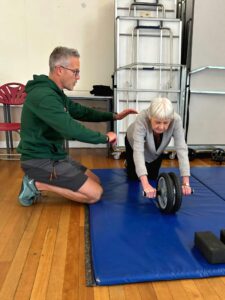
If you’ve recently completed your NHS cardiac rehabilitation programme, or you’ve been referred straight to Phase 4, you might be wondering what actually happens in a session. It’s a very natural question, and the answer often surprises people. Phase 4 cardiac rehabilitation is more structured, more personal, and more medically informed than a standard gym class, but it’s also welcoming, flexible, and designed to fit around you.
Here’s exactly what you can expect.
What Is a Phase 4 Cardiac Rehab Session?
Phase 4 is the long-term maintenance phase of cardiac rehabilitation. It takes place in the community, outside the hospital setting, and is designed to help you build and sustain cardiovascular fitness safely, with expert support, after a cardiac event or procedure.
Sessions are led by qualified clinical exercise physiologists or BACPR-trained exercise professionals with expertise in heart conditions. This isn’t a one-size-fits-all gym class. Your clinical history, current fitness level, and personal goals inform every aspect of your session.
Before You Begin: Your Initial Assessment
Before attending your first session, you’ll typically undergo a comprehensive assessment. This helps your exercise professional design a programme that is both safe and effective for you specifically. Your assessment is likely to include:
- A review of your cardiac history, medications, and any current symptoms
- Resting heart rate and blood pressure measurements
- A functional fitness or exercise capacity test (such as a six-minute walk test or step test)
- A discussion of your goals, whether that’s getting back to gardening, returning to work, or completing a charity walk
This assessment forms the foundation of your personalised exercise prescription, which is reviewed and updated as you progress.
What Happens During the Session Itself?
1. Arrival and Check-In
Sessions typically begin with a brief check-in. Your instructor may ask how you’ve been feeling since your last visit, any symptoms, changes in medication, or anything unusual. This isn’t just a formality; it’s an important safety step that ensures your session is appropriate for how you’re feeling that day.
2. The Warm-Up (10–15 minutes)
Every session starts with a structured warm-up designed to gradually raise your heart rate and prepare your cardiovascular system for exercise. This might include gentle walking, mobility work, or light cardio movements. The warm-up is especially important for people with heart conditions, as sudden increases in exertion can place unnecessary strain on the heart.
3. The Main Exercise Component (20–35 minutes)
This is the core of the session, and it will look different for each person depending on the exercise prescription. Common components include:
- Cardiovascular exercise, walking, cycling on a static bike, rowing, or use of a cross-trainer, at a prescribed intensity
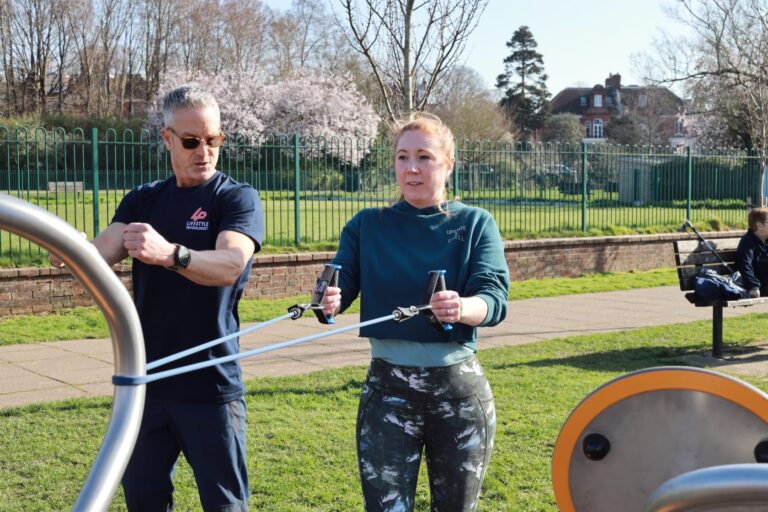
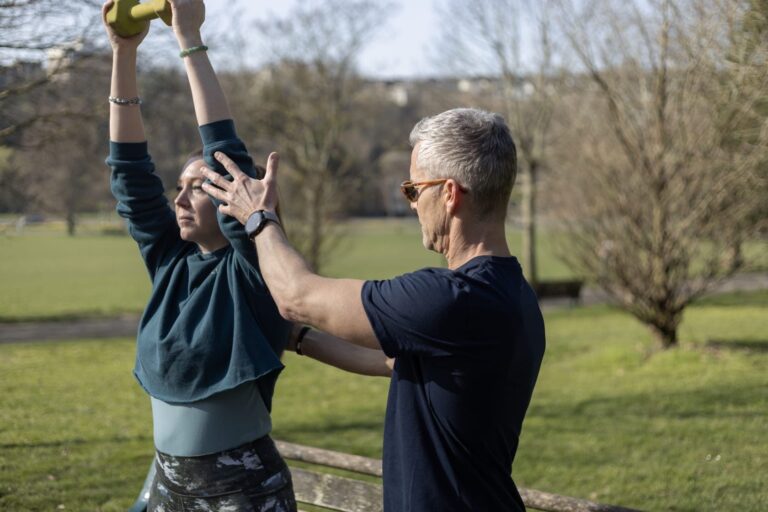
- Resistance or strength training, using light weights, resistance bands, or bodyweight exercises to build muscle and support heart health
- Circuit-style exercises, moving between different stations, often combining cardio and resistance elements
Your instructor will monitor your exertion using tools like the Borg Rating of Perceived Exertion (RPE) scale, and may also track your heart rate. The goal is to keep you working at a therapeutic intensity, challenging enough to improve fitness, but well within safe limits.
4. The Cool-Down (10 minutes)
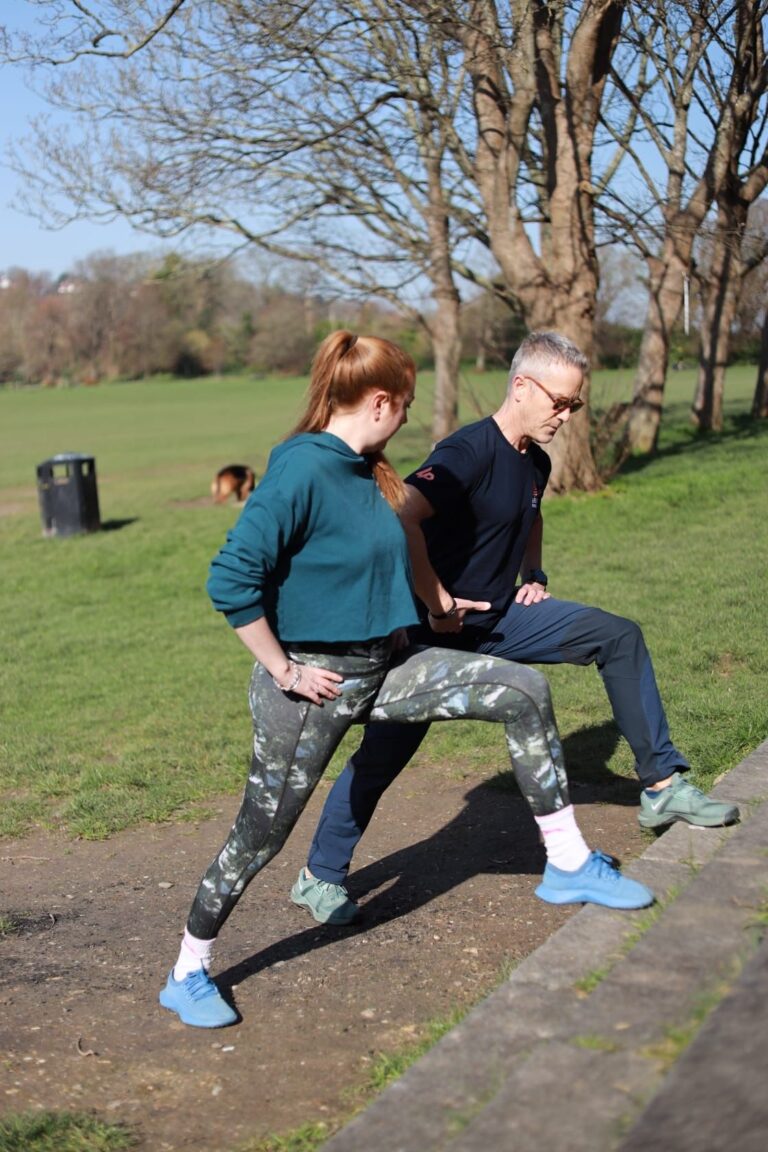
The cool-down is just as important as the warm-up. Gradual reduction in exercise intensity allows your heart rate and blood pressure to return to baseline safely. This phase often includes gentle stretching and breathing exercises.
5. Post-Session Check and Education
Many Phase 4 sessions include a short educational or discussion component after the exercise portion. Topics might include:
- Managing stress and emotional wellbeing after a cardiac event
- Nutrition and heart-healthy eating
- Understanding your medications
- Tips for staying active between sessions
This holistic approach reflects the BACPR’s Six Pillars of Cardiac Rehabilitation, recognising that long-term heart health is about far more than exercise alone.
How Long Are Sessions, and How Often Do You Attend?
Most Phase 4 sessions run for approximately 60 to 90 minutes in total, including warm-up, the main component, cool-down, and any educational elements. Frequency varies by provider and individual programme, but once or twice a week is typical for many participants.
Some providers also offer a combination of in-person and online sessions, giving you flexibility while maintaining the benefits of clinical supervision.
Will I Be Exercising With Other People?
Yes, in most cases. Phase 4 sessions are usually delivered in small group settings, which many participants find motivating and enjoyable. You’ll be exercising alongside others who have had similar cardiac experiences, and many people find a real sense of community in their sessions.
That said, your programme remains individually tailored. Your instructor isn’t running a group fitness class; they’re managing multiple individual programmes within the same session.
Is It Normal to Feel Nervous About Your First Session?
Absolutely. It’s very common to feel apprehensive about exercising after a cardiac event. You may worry about pushing too hard, or wonder whether your heart can cope. These concerns are completely understandable, and they’re exactly why Phase 4 exists.
Your instructor is trained to work with these anxieties as well as the physical aspects of rehabilitation. If at any point you feel unwell, experience chest discomfort, or have any concerns, you can stop and speak to your instructor immediately. Safety is always the priority.
What Should You Bring to a Session?
- Comfortable, supportive training shoes and loose-fitting clothing
- A water bottle
- A list of your current medications (for your initial assessment, or if anything has changed)
- Any recent correspondence from your GP or cardiologist, if relevant
Your provider will give you specific guidance when you register.
Ready to Find Out More?
If you’re based in Brighton or the surrounding area and would like to know more about joining a Phase 4 cardiac rehabilitation programme, we’d love to hear from you. You can self-refer or ask your GP, cardiologist, or cardiac nurse to refer you directly.
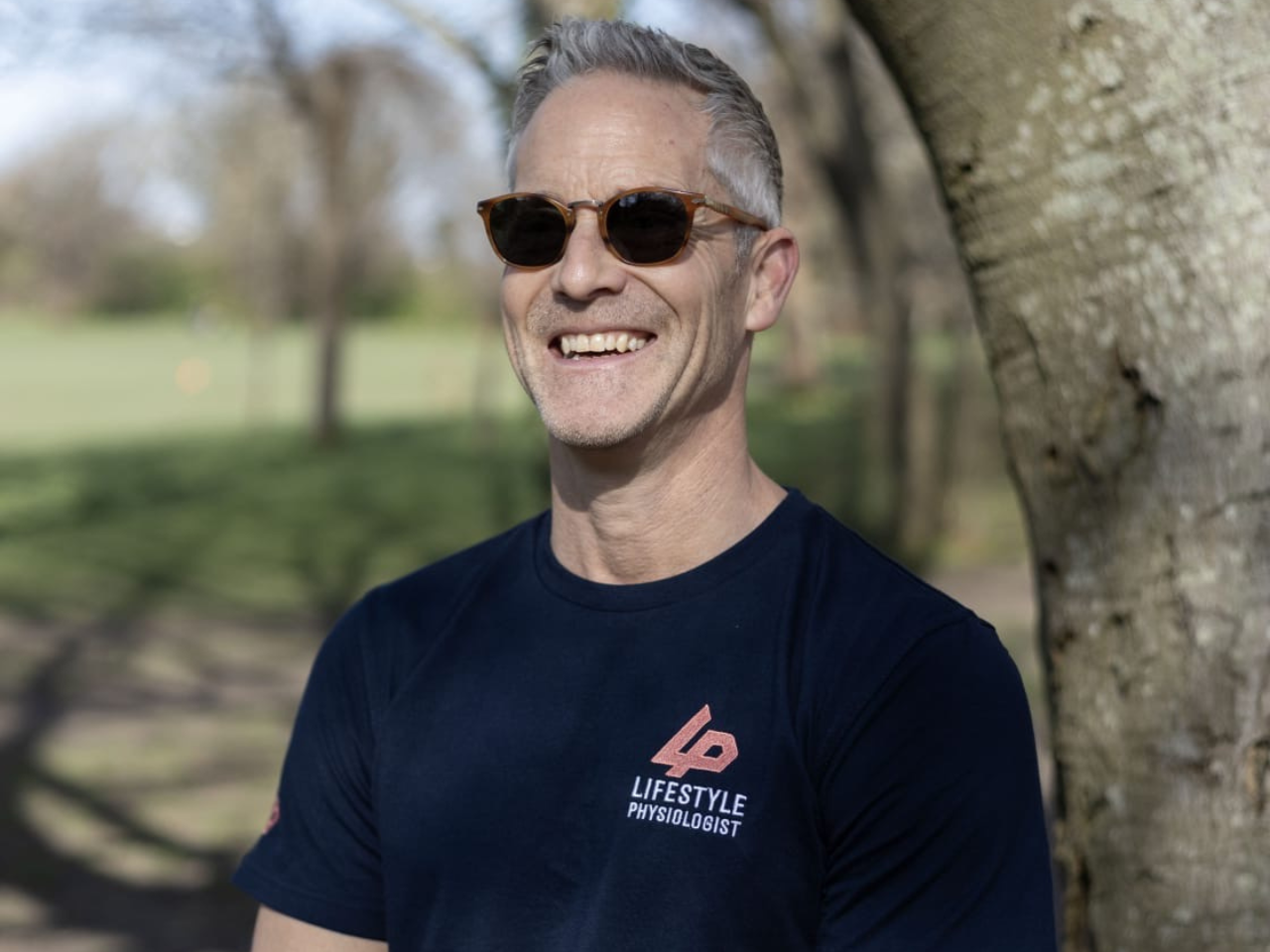
About the Author: Richard Stantiford MSc, ACSM C-EP, BACPR is a Clinical Exercise Specialist and Specialist Personal Trainer based in Brighton. He is the founder of The Lifestyle Physiologist and has over 30 years of experience working with cardiac patients, stroke survivors, and people with chronic conditions. To learn more or book a free consultation, visit thelifestylephysiologist.com/.